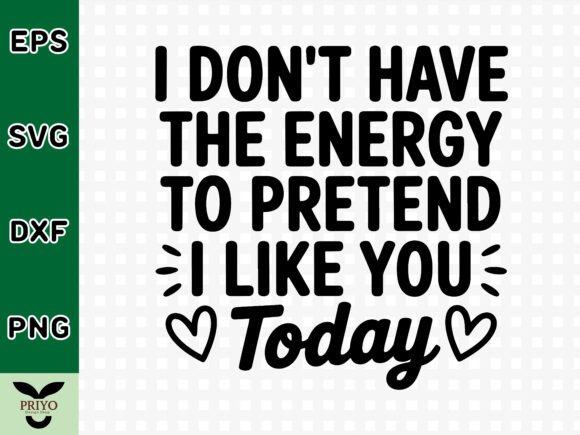
I Don’t Have the Energy to Pretend I Lik
First Impressions: A Design That Speaks Before It’s Stitched
When I opened I Don’t Have the Energy to Pretend I Lik for the first time, I didn’t see just text—I saw tone, timing, and texture. This isn’t a cheerful quote or a whimsical phrase. It’s dry, grounded, quietly defiant—and that’s exactly why it works. As an embroidery designer who tests hundreds of digital embroidery files each year, I immediately asked: *Where would this land best? Who would reach for it—and why?* The answer came fast: small shop owners curating relatable boutique merchandise, Etsy sellers building personality-driven collections, and crafters making personalized gifts for friends who appreciate honesty over polish.
A Real-World Test: Embroidering It on a Linen Tote Bag
Last week, I used I Don’t Have the Energy to Pretend I Lik on a natural linen tote—medium-weight, slightly textured, no stretch. I chose a 4” x 4” hoop and paired it with tear-away stabilizer (lightweight cutaway worked too, but wasn’t necessary). The layout felt intentional: clean line spacing, generous letter height, and no decorative flourishes competing for attention. That simplicity is a strength—not a limitation. In stitching, the design held its shape without distortion, even where the fabric shifted under tension. No skipped stitches, no thread nesting at the corners. It read clearly at arm’s length, and more importantly, it *felt* human when held in hand—not generic, not mass-produced.
Where It Shines (and Where It Needs Care)
I Don’t Have the Energy to Pretend I Lik excels in projects where authenticity matters more than ornamentation:
- Custom apparel: Works beautifully on sweatshirts, crewnecks, and relaxed-fit tees—especially when stitched in matte cotton thread for subtle contrast.
- Tote bags & tea towels: The linear rhythm holds up across woven cotton and linen blends. No fill stitch density issues, no risk of puckering.
- Patches & aprons: Clean edges mean crisp heat-transfer or sew-on applications. Ideal for small-batch craft fair inventory.
- Personalized gifts: Not for baby onesies (too blunt for that context), but perfect for birthday mugs, graduation caps, or “survival kit” pillow covers for new grads or burnout-prone creatives.
Use caution on:
- Stretchy fabrics—like jersey or ribbed knits—unless you add cutaway stabilizer and reduce top tension.
- Curved surfaces like baseball caps, where tight curves can distort letter spacing unless digitized with cap-specific adjustments (not confirmed here—verify if your file includes cap-ready versions).
- Dark or heavily textured fabrics—test thread color contrast thoroughly. Light gray or heathered backgrounds need deeper-toned thread for legibility.
- Frequent-wash items—like kitchen towels or baby blankets—where satin stitch-heavy versions might wear faster. Stick to running or fill stitch variants if durability is key.
What It Does for Your Craft Business
This isn’t just another graphics download—it’s a quiet brand amplifier. When customers see I Don’t Have the Energy to Pretend I Lik on your Etsy listing or boutique shelf, they’re not just buying a tote bag; they’re recognizing shared energy, humor, and boundary-setting. That builds trust. For small shop owners, it supports cohesive storytelling—pair it with minimalist packaging, handwritten care tags, and soft photography to reinforce the “real over polished” vibe. For digital product sellers, it’s a strong candidate for printable mockups: place it on a muted sweatshirt flat lay, and it reads instantly as intentional, curated, and commercially viable.
Practical Designer Notes Before You Stitch
Before adding I Don’t Have the Energy to Pretend I Lik to your next embroidery project, do these five things:
- Test on scrap fabric—especially if using textured, dark, or stretchy materials.
- Check stitch density in your embroidery software. If it’s heavy on satin stitch, consider lightening density for breathable fabrics.
- Confirm hoop size compatibility. Since the original description mentions SVG use for prints and mugs, verify whether your embroidery file version fits standard 4×4 or 5×7 hoops—or requires resizing.
- Review licensing. The listing says it’s ideal for “prints, t-shirt designs, mug making, post”—but commercial embroidery rights aren’t explicitly stated. If selling finished embroidered products or reselling the file itself, confirm usage terms with the seller.
- Mock it in black and white first—this phrase relies on clarity, not color. If it doesn’t pop in grayscale, adjust thread contrast before final stitching.
Final Thought: A Design That Earns Its Place
I Don’t Have the Energy to Pretend I Lik isn’t flashy—but it’s memorable. It doesn’t try to please everyone, and that’s its biggest asset. In a sea of cutesy quotes and overdesigned Crafts assets, it stands out by being understated, honest, and technically sound. Whether you’re a seasoned machine embroidery designer prepping for client work, an Etsy seller building a signature collection, or a hobbyist stitching something real for someone real—it earns its spot in your library. Just remember: let the mood guide the medium. Use it where sincerity lands, not where smiles are expected.