Mother Hood: A Thoughtful Embroidery Design for Real-Life Makers
As a designer who’s stitched hundreds of custom pieces—from boutique baby onesies to Etsy best-selling tote bags—I opened “Mother Hood” expecting charm. What I found was something quieter, warmer, and more intentional than most motherhood-themed embroidery files out there. It doesn’t shout. It settles in. That matters—especially when you’re choosing a machine embroidery design for a finished product your customers will hold, gift, or display proudly.
First Impressions: Soft Strength, Not Cliché
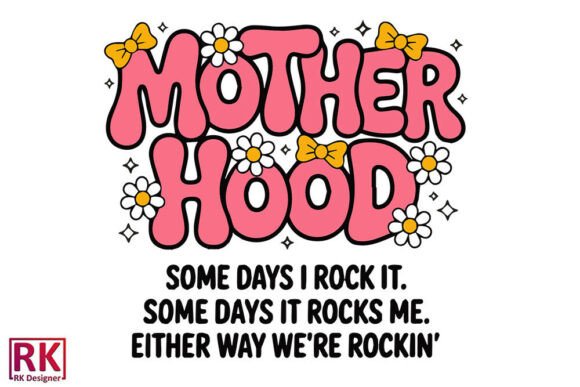
“Mother Hood” arrives as a single SVG file—clean, scalable, and ready for conversion into embroidery formats (though remember to confirm compatibility with your machine or digitizer). Visually, it leans into gentle line work and balanced negative space. There’s no overdone script, no glittery crown, no cartoonish heart. Instead, it uses subtle curves and thoughtful spacing that translate beautifully into satin stitch and fill stitch execution. The mood is grounded, tender, and quietly confident—ideal for handmade products where authenticity matters more than flash.
I tested it first on a linen-cotton tea towel, then moved to a midweight organic cotton sweatshirt. On both, “Mother Hood” held its shape without bleeding or distortion—even at 3.5 inches wide. That tells me the underlying vector structure respects embroidery logic: no hair-thin lines that vanish in stitching, no overlapping paths that confuse auto-digitizing tools, and no micro-details that demand unrealistic thread control.
Where “Mother Hood” Shines in Real Projects
This isn’t just another graphics file—it’s a versatile design asset with clear purpose. Here’s where it lands strongest:
- Embroidered patches—its compact layout and clean edges make it ideal for iron-on or sew-on patches on denim jackets, backpacks, or nursery pillows.
- Tote bag designs—centered above a pocket or nestled in a corner, it reads clearly even from across a craft fair booth.
- Baby embroidery—on onesies, burp cloths, or swaddle blankets, its soft aesthetic avoids overwhelming delicate scale or fabric weight.
- Personalized gifts—think embroidered kitchen towels for new moms, pillow covers for baby showers, or minimalist aprons for small-batch bakeries.
- Small shop product branding—it works equally well as a subtle tagline on packaging or a refined logo alternative for craft business labels.
What surprised me most? How well “Mother Hood” holds up in printable mockups. Whether rendered in black thread on ivory fabric or navy thread on oatmeal canvas, it retains legibility and emotional resonance—key for Etsy sellers building trust through consistent, professional visuals.
Where to Use It With Care
No design is universal—and “Mother Hood” has boundaries worth honoring. Avoid pushing it onto:
- Very small hoop sizes (under 3 inches): fine interior details may compress or lose clarity.
- Highly textured fabrics like bouclé or thick terry cloth—stitch definition can blur without extra stabilizer layers.
- Thin or stretchy knits (e.g., lightweight jersey tees): use cutaway stabilizer and test tension first—those smooth curves need stable ground.
- Dark fabric without contrast testing: check how letterforms read in thread colors like heather gray or charcoal before committing.
- Curved surfaces like caps: while possible, the design’s horizontal balance means repositioning and slight scaling may be needed for front-panel cap embroidery.
Also note: because “Mother Hood” relies on clean linework rather than heavy fill, dense stitch areas aren’t its strength. Don’t expect dramatic 3D puff or chenille treatment here—it’s not built for that. But that’s its honesty. It’s a design meant to complement, not dominate.
What It Adds to Your Finished Product—Beyond Stitching
When you choose “Mother Hood”, you’re not just selecting a graphic—you’re shaping perception. Customers notice when embroidery feels considered, not copied. This design supports handmade presentation by avoiding visual clutter, letting fabric texture and thread quality speak for themselves. That builds customer trust, especially for personalized gifts where sentiment outweighs spectacle.
For Etsy sellers and small shop owners, “Mother Hood” strengthens brand consistency across product lines. Pair it with neutral palettes and natural fibers, and it becomes part of a quiet, cohesive story—not just decoration. And because it’s adaptable across mediums (tumblers, cards, scrapbooking), it bridges digital and physical craft business needs without feeling disjointed.
Practical Designer Notes Before You Stitch
Before launching into production, take these steps—every time:
- Test “Mother Hood” on scrap fabric matching your final project’s weight and stretch.
- Check thread color contrast against both light and dark backgrounds using simple black-and-white mockups.
- Review stitch density—if converting from SVG yourself, avoid overfilling open areas; let the design breathe.
- Confirm hoop size requirements based on your digitized version—don’t assume standard 4x4 fits all variations.
- Inspect corners and joins: look for potential jump stitches or tiny gaps that could snag during wear or washing.
- Use appropriate stabilizer—tear-away for stable wovens, cutaway for knits, and medium-weight for towels or bags.
- Verify licensing terms before selling finished items or bundling “Mother Hood” into digital embroidery bundles—this is a Graphics purchase, not an unlimited commercial license unless stated.
“Mother Hood” won’t win awards for complexity—but it earns respect for restraint. In a market flooded with loud, trend-chasing embroidery files, it’s a reminder that sometimes the most powerful design choices are the quietest ones. Whether you’re stitching for a client, prepping for a holiday craft fair, or building a signature line for your small shop, this is a design that works *with* you—not against your time, tools, or taste.