Valentine’s Essentials Bundle
A Designer’s First Stitch: What This Bundle *Actually* Feels Like in Hand
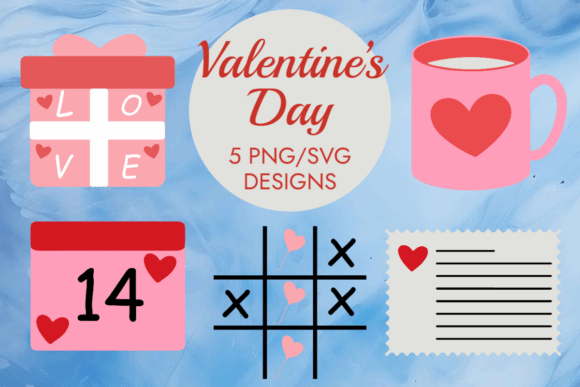
Opening the Valentine’s Essentials Bundle, I didn’t see “cute graphics”—I saw five distinct embroidery moments waiting to translate into real fabric. The calendar isn’t just dates; it’s a quiet, structured anchor for planner covers or linen tea towels. The love letter has soft curves and open negative space—ideal for delicate baby onesies or embroidered pillow covers where breathability matters. The coffee mug? Rounded, friendly, with just enough contour to read clearly at 3” wide on a tote bag. The gift box balances clean lines and subtle dimension—perfect for satin-stitch borders on aprons or patches. And the balloons? Light, airy, and intentionally uncluttered—no tiny strings or overworked details that vanish under fill stitch.
Where It Shines (and Where It Asks for Thought)
I tested the love letter design on a medium-weight cotton sweatshirt—medium stabilizer, 40-weight rayon thread. It stitched cleanly, with no puckering or thread breaks. The running-stitch outline held crisp definition, and the open center meant minimal fill stitch density—great for lightweight fabrics and faster turnaround on custom apparel orders. On a curved surface like a cap? The balloon and mug scaled down well to 2.5”, but I’d avoid the calendar there—it’s too information-dense for small hoop sizes or tight curves.
The gift box works beautifully as an embroidered patch—its geometry holds up across fabric textures, from denim to twill. But on thin or stretchy fabric like jersey baby bodysuits? I’d add tear-away + cut-away stabilizer combo and reduce stitch density manually if needed. That little bow on the box is charming—but at under 5mm tall, it needs sharp digitizing and careful hooping. Don’t skip the test stitch on scrap first.
Fabric & Function: Real Choices, Real Consequences
On dark fabric—say, navy tea towels—the coffee mug and balloons pop best when stitched in high-contrast thread (cream or blush). The love letter’s script becomes harder to read unless you lift the fill stitch slightly or use a lighter satin border. For frequent-wash items like kitchen towels or baby blankets? Prioritize low-density fill areas and avoid overly dense satin-stitch zones—especially in the calendar’s date grid. Over-stitched corners fatigue faster.
Texture matters more than most crafters assume. On terry cloth or bouclé, the balloon design reads better than the calendar—the latter’s fine lines get swallowed. Likewise, on textured knit sweatshirts, the mug’s rounded shape maintains clarity where the gift box’s straight edges can blur slightly. If you’re selling finished products, this affects perceived quality—and customer trust.
What This Bundle Says About Your Brand (Without Saying a Word)
Valentine’s Essentials Bundle doesn’t scream “holiday sale.” It whispers “thoughtful, handmade, consistent.” That matters for Etsy sellers and boutique owners building seasonal collections. When customers see the same gentle aesthetic across your embroidered tote bags, pillow covers, and aprons, they recognize your style—not just the holiday. It supports brand consistency without locking you into cartoonish clichés.
For personalized gifts? The love letter and calendar lend themselves naturally to customization—add a name, date, or short phrase without disrupting balance. But don’t force it: the balloon cluster is strongest as-is. Tacking on monograms risks visual clutter. Let the design breathe.
Design Assets That Earn Their Place in Your Workflow
As a digital product seller, I appreciate how cleanly these translate into printable mockups. The clean outlines and intentional spacing mean you can generate realistic sweatshirt or tote bag previews without heavy editing. No jagged edges, no pixelated curves—just confident, production-ready shapes. That saves time when updating listings before Valentine’s rush.
But here’s what I check every time: licensing. Since this is labeled a Graphics set—not a pre-digitized machine embroidery design—I confirmed whether included files are vector-based (for resizing) or raster (which limits embroidery scaling). If you plan to digitize yourself or outsource, verify resolution and scalability. And always confirm commercial use rights before listing finished embroidered patches or custom apparel on your small shop site.
Practical Notes Every Embroidery Designer Should Keep Handy
- Test before committing: Run each design on scrap fabric matching your final project’s weight, stretch, and texture.
- Stabilizer isn’t optional: Medium cut-away for knits, tear-away + light cut-away for stable wovens like quilting cotton or linen.
- Thread contrast > thread count: A single well-chosen color often reads clearer than three busy shades—especially on baby embroidery or holiday gifts meant to last.
- Hoop size matters more than you think: The calendar fits comfortably in a 5x7 hoop—but push it to 4x4, and date legibility drops. Know your smallest viable size per design.
- Check corners and curves: Zoom in on the mug handle and balloon strings—do they taper cleanly? Or do they end in awkward stops? That affects stitch-out smoothness.
- Mock it in black and white: If it loses charm without color, reconsider placement or thread palette.
- Wash-test finished samples: Especially for nursery decor or kitchen items—stitch integrity after laundering separates good design assets from risky ones.
Final Thought: Not Just for February
Valentine’s Essentials Bundle quietly extends beyond the holiday. The love letter reads like stationery on a linen pillow cover year-round. The coffee mug feels at home on spring market totes. The gift box scales elegantly for wedding favor tags or baby shower bundles. It’s not a flash-in-the-pan Crafts bundle—it’s a set of thoughtful, adaptable design assets built for repeat use, real stitching, and honest customer delight. Whether you’re prepping for Etsy listings, small shop merchandise, or custom client work, it earns its place by asking less of your time—and giving more to your finished product.