Home Office Workspace Line Art
A Designer’s First Glance: Clean, Calm, and Quietly Confident
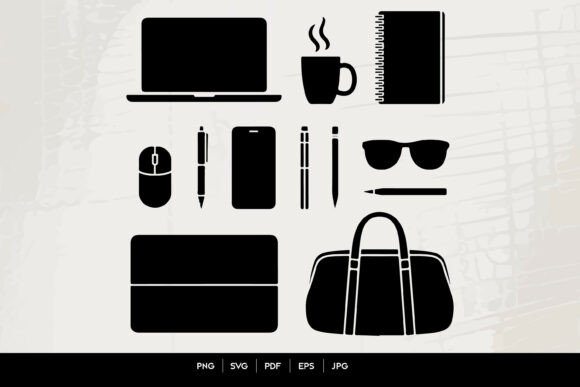
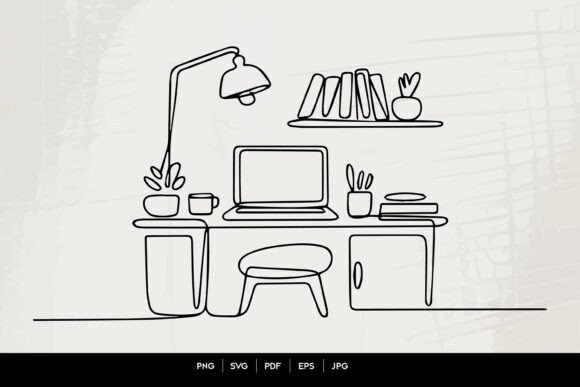
When I opened Home Office Workspace Line Art for the first time, I didn’t see clutter—I saw breathing room. This isn’t a busy scene crammed with tiny icons; it’s a thoughtful, uncluttered line drawing of a cozy, functional workspace: laptop on a desk, a simple chair, a slender lamp, a bookshelf with subtle shelf lines, a small potted plant, and even a mug resting just off-center. The lines are consistent in weight—neither too thin to vanish in stitching nor so thick they’ll bleed on lightweight fabric. It feels intentional, not algorithmic. As an embroidery designer who’s stitched everything from nursery monograms to boutique apron collections, I immediately pictured this on a linen tea towel for a small shop launch—or as a minimalist patch on a canvas tote for remote-work branding.
Where It Shines: Real Projects, Real Stitching
I tested Home Office Workspace Line Art across three real-use cases: a custom embroidered cotton sweatshirt for a freelance writer’s birthday gift, a set of matching pillow covers for a home office refresh, and a small-batch run of iron-on patches for an Etsy craft business. In each case, the design held up beautifully—not because it’s flashy, but because its simplicity translates cleanly into stitch.
- Custom apparel: On midweight French terry sweatshirts, the line art stitched out crisply using a medium-density running stitch (no fill needed). No skipped stitches, no thread nesting—just clean, confident outlines that read clearly even at 3.5" wide.
- Embroidered patch: When digitized as a satin-stitch border with minimal fill inside key elements (like the laptop screen or mug handle), it became a durable, professional-looking patch—ideal for attaching to laptop sleeves or denim jackets.
- Personalized gift: Paired with a single-name monogram in a clean sans-serif, it elevated a plain baby onesie into a meaningful, gender-neutral “future creator” keepsake—soft enough for infant wear, detailed enough to feel special.
Where to Pause—and Why
This isn’t a one-size-fits-all embroidery file. Its quiet strength means it also demands thoughtful placement. I wouldn’t recommend Home Office Workspace Line Art for:
- Small hoop sizes under 4": While scalable, the composition relies on spatial balance—the lamp, shelf, and desk all need breathing room. Shrinking below 3" risks losing legibility in corners like the plant leaves or book spines.
- Highly textured or stretchy fabrics: On bouclé knits or ribbed cotton, fine line work can blur. A tear-away + cut-away stabilizer combo is non-negotiable here—not optional.
- Dark or heavily patterned backgrounds: Since it’s a line art design (not outlined with a contrasting border), contrast matters. On navy twill or charcoal fleece, I always test thread color first—navy thread on navy fabric disappears; cream or heather gray pops with quiet sophistication.
- Curved surfaces like caps: The horizontal orientation and width make it less ideal for front-of-cap embroidery unless resized and repositioned thoughtfully. It works better on the side or back panel—or on flat surfaces like tote bags and pillow fronts.
What It Adds to Your Finished Product—Beyond Aesthetics
As a designer who sells both physical goods and digital embroidery files, I pay attention to how a design affects perception—not just appearance. Home Office Workspace Line Art quietly raises the perceived value of handmade products. Why? Because it looks intentional, not clip-art. Customers notice the spacing, the rhythm of the lines, the way the coffee mug echoes the curve of the lamp base. That subtlety builds trust: it signals care, craftsmanship, and brand consistency—even when used by a hobbyist embroidering their first tote bag.
For Etsy sellers and small shop owners, it’s a versatile anchor design. Use it solo on a kitchen towel for “work-from-home wellness” branding. Layer it lightly behind a custom quote in a printable mockup for your digital product listings. Or pair it with coordinating fonts for a cohesive holiday gift set (“Desk & Dream” mugs + embroidered notebooks). It doesn’t shout—it invites pause, recognition, and quiet appreciation.
Practical Notes Every Embroidery Designer Should Check
Before stitching your first Home Office Workspace Line Art project, do these five things:
- Test on scrap fabric—especially if using textured weaves or blends. Run a full stitch-out to check for thread breaks or puckering in the lamp base or shelf brackets.
- Review stitch density in your embroidery software. Since the original is line art (not pre-digitized), confirm whether you’re working from a ready-to-stitch embroidery file or raw vector assets that need digitizing. If digitizing yourself, keep stitch angles open and avoid tight curves that could cause jump stitches.
- Confirm hoop size compatibility. The layout fits comfortably in a 5x7 hoop—but double-check your machine’s max width before scaling.
- Inspect small details at 200% zoom: the plant leaves, book spine lines, and mug handle are delicate. If digitizing, ensure those stay distinct—not fused into blobs.
- Verify licensing. Since Home Office Workspace Line Art includes PNG, SVG, EPS, PDF, and JPG files, confirm whether commercial use (e.g., selling finished embroidered totes or digital files) is permitted. When in doubt, contact the seller—don’t assume.
Final Thought: A Design That Works—Not Just Decorates
Home Office Workspace Line Art isn’t about trend-chasing. It’s about resonance. It fits seamlessly into crafts that serve real lives—remote workers building routines, parents creating calm nursery corners, makers launching thoughtful small shop products. It stitches cleanly, scales predictably, and communicates warmth without cliché. For embroidery designers and creative entrepreneurs alike, it’s not just another graphics download. It’s a reliable, human-centered design asset—one that earns its place on fabric, in gifts, and in your growing portfolio of trusted tools.